10 Years of Learning Ecosystems Northeast: Sherri Calhoun's Journey
Perspectives | Aug 25, 2026
Learning Ecosystems Northeast is celebrating its 10-year anniversary this year. What started as a small group of regional teacher communities has grown into a wide network of passionate formal and informal educators connected across the Northeast. We asked one longtime LENE participant how the program has shaped her career.
"They convinced me I had something to offer."
Eight years ago, when longtime music teacher turned science teacher Sherri Calhoun first got involved with our Learning Ecosystems Northeast program, she wasn't picturing herself presenting at a national science teaching conference any time soon. But two of our education staff, Leigh Peake and Molly Auclair, saw something in Sherri she perhaps didn't yet see herself — a science teacher superstar.
Never Done Learning
Sherri spent 25 years as a music teacher before a change in her position led her toward math and science instead. She took her first math and science position at a school in Presque Isle, where she first got involved with LENE in 2018. With her years of math study in college, that part came easy to her. Science, however, was a whole new world. It was something she'd have to learn alongside her students as she taught them, and she wasn't sure yet what that might look like.
The following year, she moved to Ashland District School, where she's taught science and reading ever since, and where the bulk of her growth with LENE has taken place. Sherri has now been part of the education network for eight years, nearly its entire lifespan.
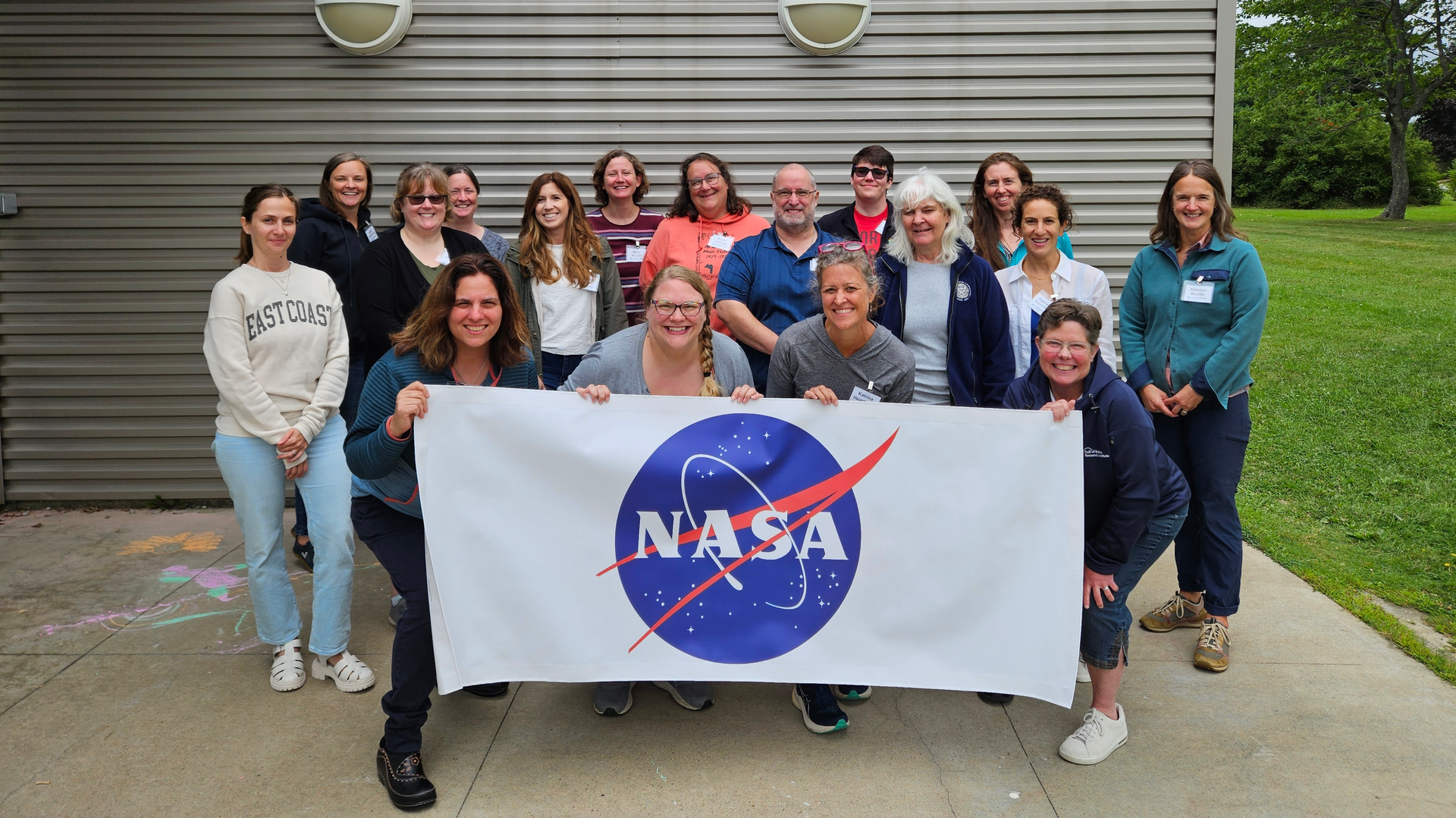
This year marks LENE's tenth year working with educators across Maine and the broader Northeast. What began in 2016 as ”regional teacher communities” has grown, with support from NASA, into a network of teachers, librarians, and out-of-school educators organized into regional groups called Connected Learning Ecosystems (CLEs) across the Northeast.
Asking the Right Questions
What stayed with her from those early years engaging with LENE was GMRI Chief Education Officer Leigh Peake and Senior CLE Specialist Molly Auclair’s belief in her, a belief that carried her as she dove into LENE's virtual field trip program. Through that program, Sherri began working with researchers at Stanford University to refine curriculum for her students. Sherri credits Stanford researchers Rachel Wolf and Doris Chin as being major support points in her growth as an educator.
"I would come up with an idea, something to do," she said. "But then they would ask me the right questions to pull out a vision that would be best for the students.”
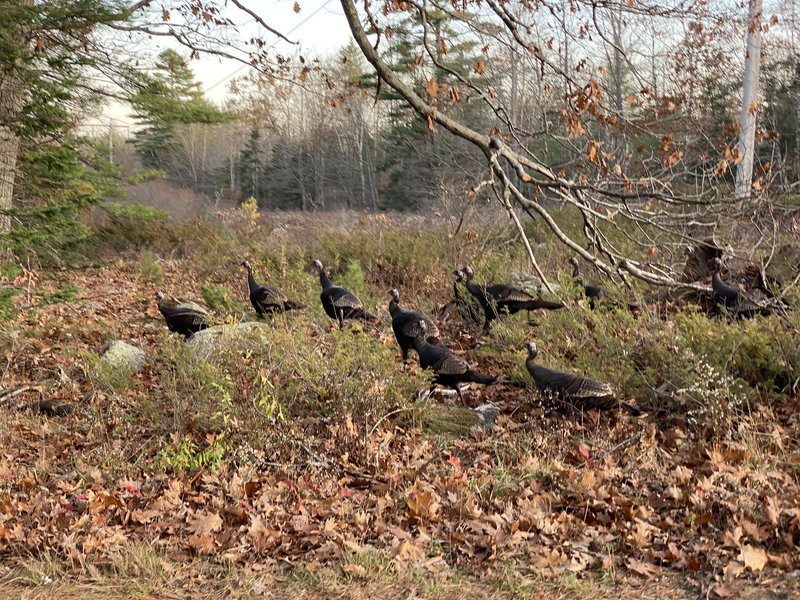
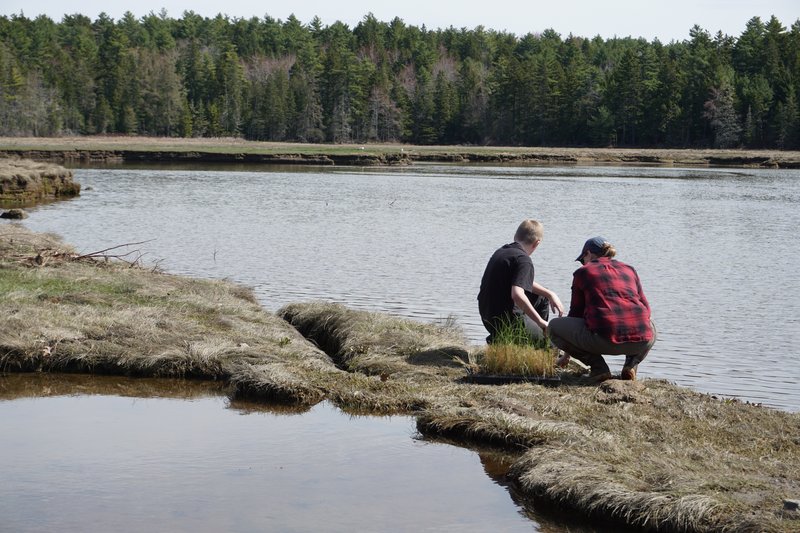
Her collaboration with Rachel and Doris grew into what Sherri now calls her signature project, Climate in Your Backyard, where students choose a local phenomenon to study, from turkeys to oak trees to corvids, and build their scientific thinking around it. "What we really want is for kids to be thinkers," she said.
Sherri's years in the classroom, watching how middle schoolers actually respond to a lesson, what clicks and what doesn't, fed directly back into how the researchers thought about their own work. This is the kind of exchange LENE can help create, a working scientist and a classroom teacher, each shaping the other's practice.
"Working with Sherri has been one of the most meaningful researcher-educator partnerships of my career," Rachel said. "Collaborating with her on study designs, instructional materials, and educator resources grounds me in a way that informs not only the experiences we make for youth, but my perspective and practice as an educational professional."
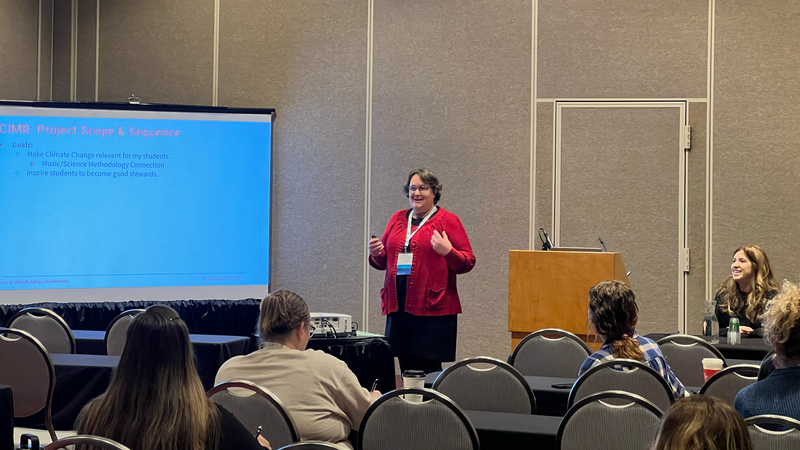
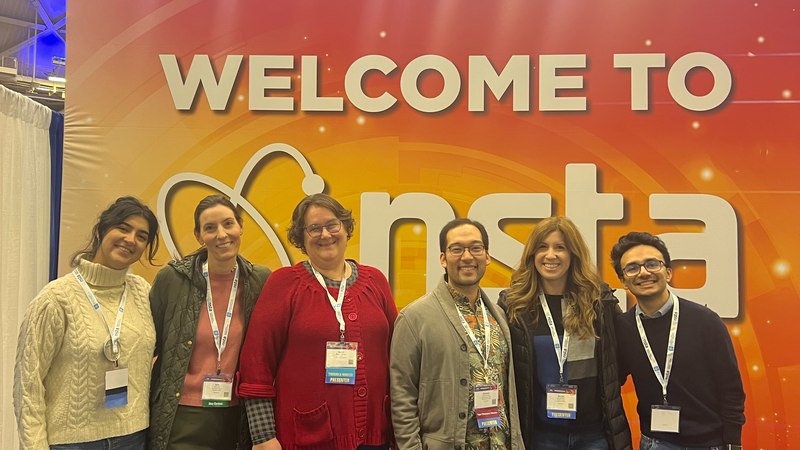
Sherri’s Climate in Your Backyard project is what eventually took her to the National Science Teaching Association (NSTA) conference that this story opened with, in a room full of career science educators in Minneapolis. Sherri felt like she stood out from the start. "They could have brought anybody," she said. "There's all kinds of sciencey people here. They took me, a music teacher." A former music teacher, presenting at a national science conference, on a project she'd built almost entirely on the job.
"I went through all my slides and played through all the work my kids had done," she said. "When my presentation was done, other science teachers came up to me and started asking questions about how I had done this with my kids. When I left that room, I was walking on air."
Building Confidence as an Educator
Sherri came home from the conference with a new confidence in her own teaching, one that has stayed with her since. "I don't know everything, and I'm still learning,” she said. “But I do not have self doubt as a science teacher anymore.”
Now, she's using that confidence to build a new unit connecting local salmon restoration efforts to water quality data, and knows that designing effective science curriculum starts with finding the right entry point for her students.
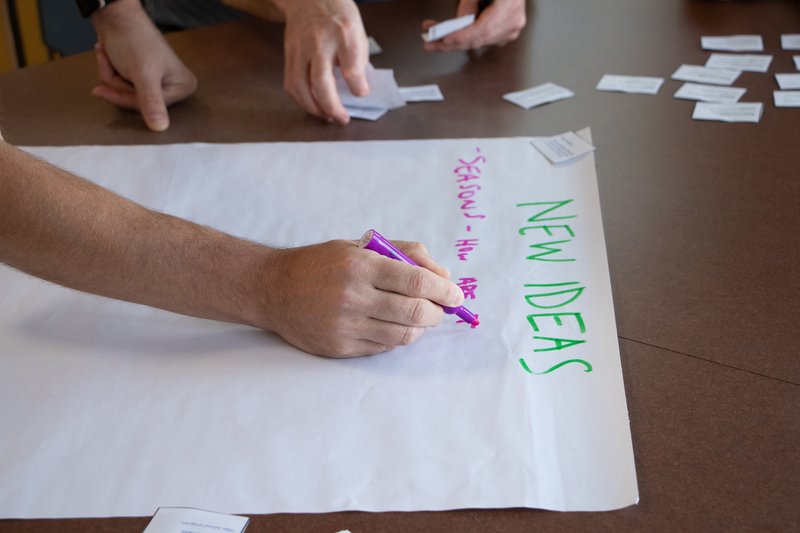
She's also comfortable putting that work in front of others before it's finished, sending drafts to her LENE peer community for feedback and folding their notes back into the lessons as she goes.
I do not have self doubt as a science teacher anymore.
Sherri Calhoun Science and Reading Teacher Ashland School District, Aroostook County
Questioning her own lessons before teaching them has become second nature for Sherri. "I am most proud of how LENE has taught me to ask some of those early questions about what kids would get out of my lessons," she said. "They have instilled some of that deeper thinking into me, and that learning is ingrained in me now. It's part of who I am. It's part of my core being as a teacher."
Real Science, Real Impact
Sherri's growth as an educator shows up clearly in her classroom. What she wants most for her students is the ability to look at information critically and think for themselves, not just memorizing facts or recalling content.
She's watched that skill build in her students over the years. By the time her students reach eighth grade, after working with her since sixth, they've developed real fluency with the kind of data analysis her classroom asks of them.
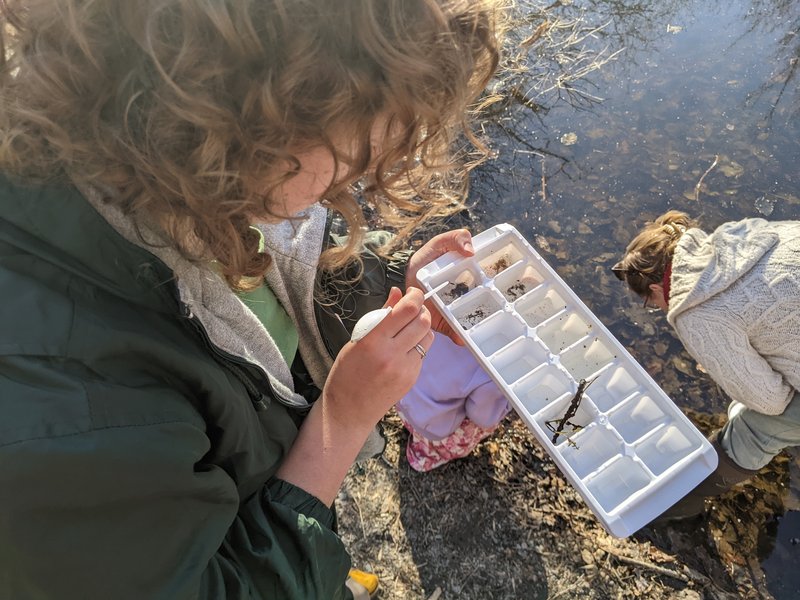
She's also made a point of bringing outside experts into her classroom, researchers, data specialists, and outdoor educators who join her students remotely to work through real datasets. It's a way to make the science feel real, and to show kids these are actual careers people build lives around.
It also works well for students who aren't usually described as strong in science. Through the virtual field trip work she does with Stanford researchers, Sherri has seen her special education students develop the ability to talk through their own findings out loud. "They're looking at data now," she said. "They're talking about the relationships between their phenomenon data and their climate data, and they're explaining it."
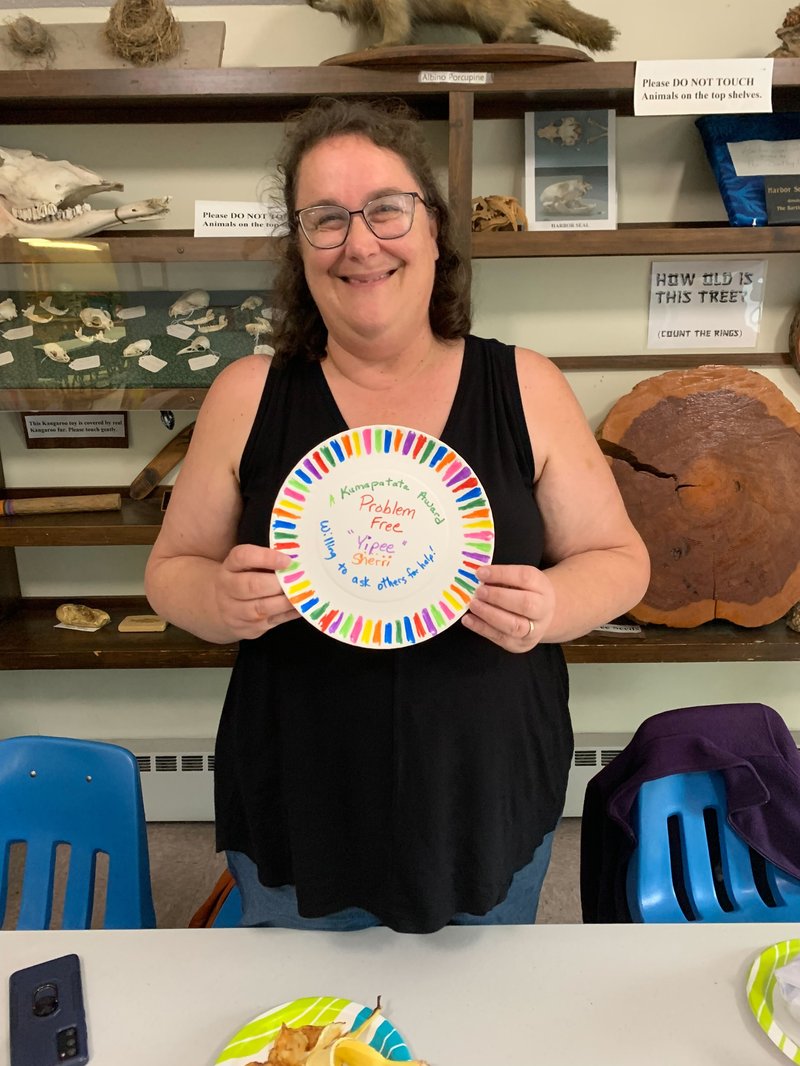
She brings the same approach to subjects that can feel challenging elsewhere. "It's not, trust me the climate is changing," she said. "It's, let's look at the data. What does the data tell you?"
A classroom conversation with a Stanford researcher, fieldwork like Climate in Your Backyard, a visit from a local librarian or outdoor educator — none of these exist in isolation for Sherri's students. Each reinforces the others, and that's by design. It's one of LENE's core principles: youth need multiple entry points into STEM, built through connections between classroom learning, informal educators, and hands-on field experience.
Still on Fire for Teaching and Learning
Teaching in a small, rural district means Sherri is often the only educator at her grade level covering her subject. That isolation is exactly what her LENE community has filled in.
"I would call GMRI and my LENE people my lifeline," she said.
The professional growth has kept her coming back for nearly a decade, and so have the relationships, built session after session, retreat after retreat, with fellow educators who understand what the work actually asks of them. "You come for the professional development," she said. "You stay for the friendships."
I would call GMRI and my LENE people my lifeline.
Sherri Calhoun Science and Reading Teacher Ashland School District, Aroostook County
Sherri turns 60 this year. She has a couple more years before she's eligible to retire, and she can see the finish line ahead. That hasn't slowed her down, and the same appetite for learning that once filled her transcript with credits hasn't gone anywhere either, it's just found a new outlet.
"I still have a fire for teaching and learning," she said. "'I’m still on fire for it, even at almost 60, because it is stimulating my brain."
Asked what she'd tell another educator considering getting involved with LENE, she didn't hesitate. Her advice was simple, “Just go to one workshop. It could change everything. I needed GMRI. Just didn't know it at the time.”
Wayfinder Wisdom
In my role as an Instructional Specialist, I see every day how educator confidence, connection, and access to the right resources can shape learning outcomes for students. That’s why I’m so grateful for organizations like GMRI that invest in educators and create opportunities for teachers and students to engage deeply with science. As a Gulf of Maine Wayfinder, I’m proud to celebrate the people and partnerships that make this work possible — and to see the lasting impact of programs like Learning Ecosystems Northeast. Congratulations to the GMRI team, Sherri, and everyone who has helped make ten years of this important work possible!
10 Years of LENE
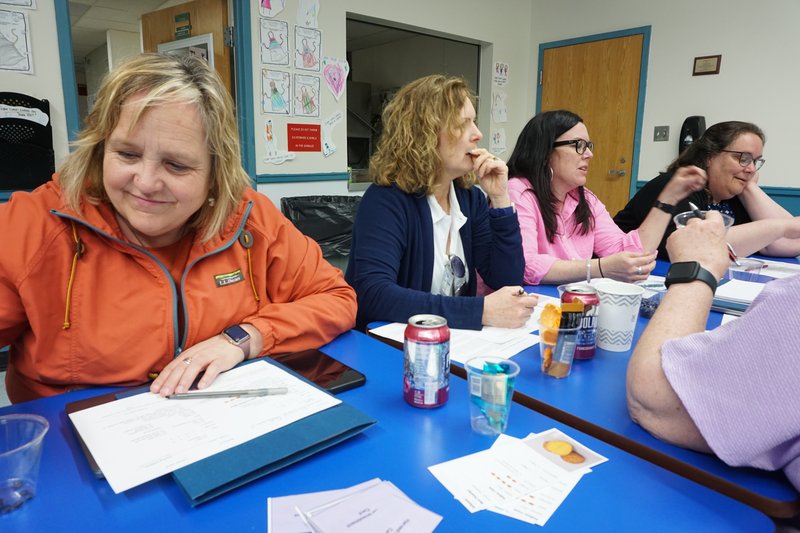
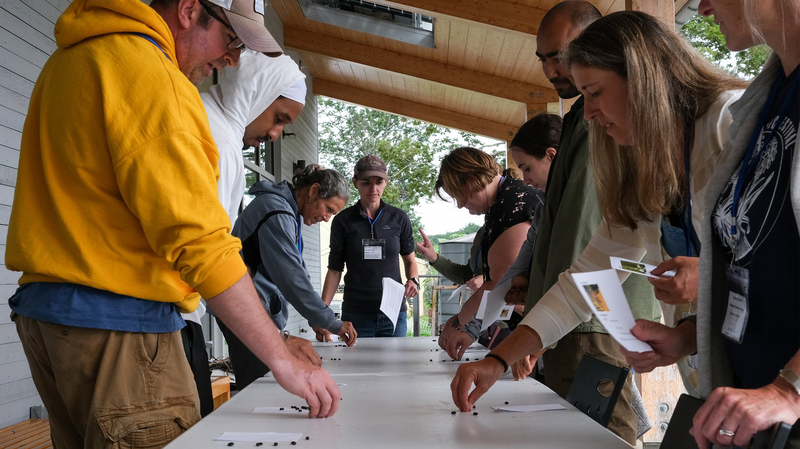
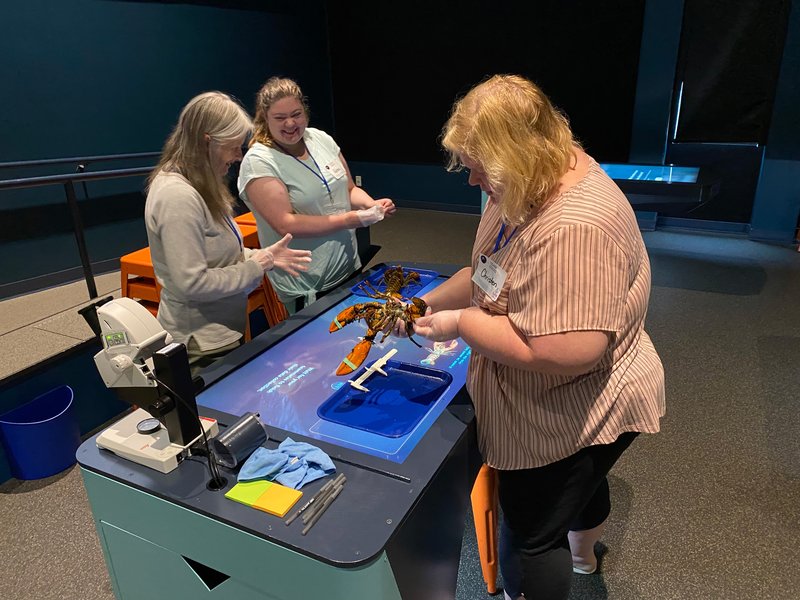
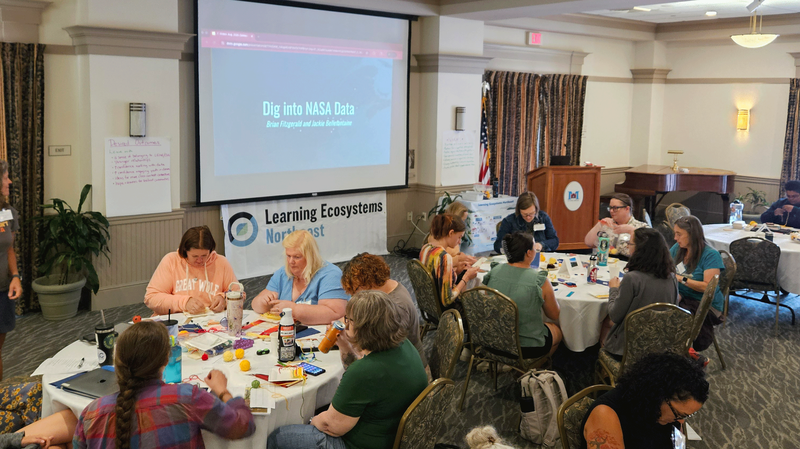
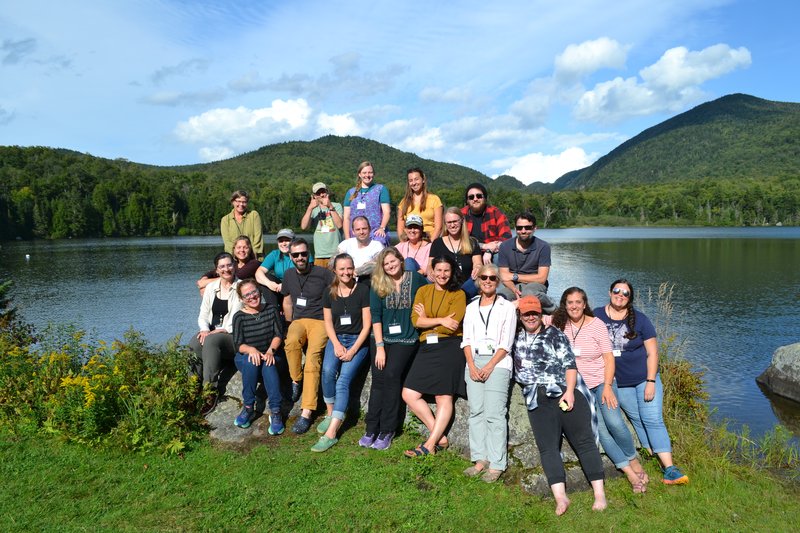
Since launching as regional teacher communities in 2016, educators across the Northeast have been gathering, learning, sharing, and reflecting to better support STEM learning for youth.