Intern Reflections 2026: A Summer of Learning
Perspectives | Aug 17, 2026
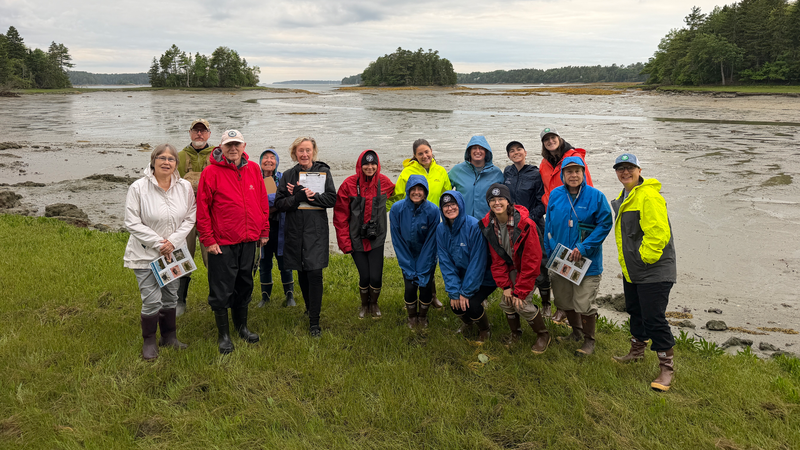
With another summer intern season in the books, we asked members of this year's cohort to share a short reflection on their summer. Read on for more.
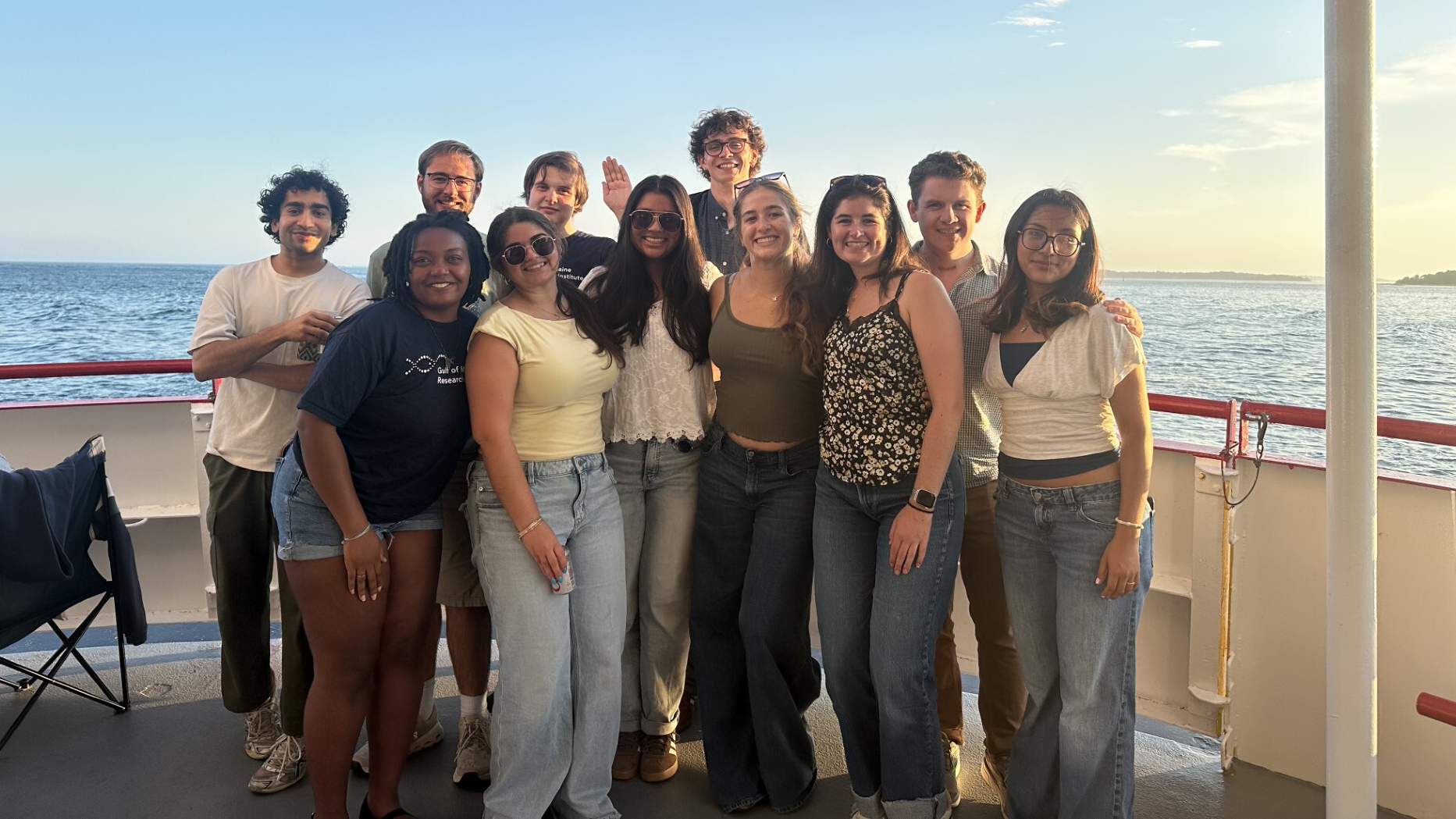
Each summer, we host a range of interns through several different programs. Our own Research Experience for Undergraduates (REU) program brings students from universities around the country to work alongside our scientists. We also host students from local colleges, including Colby and Bowdoin, and we provide science communication training to interns from Quahog Bay Conservancy (QBC), a partner organization in Harpswell. All of our interns take part in that training alongside their research.
Research Experience for Undergraduates: With support from the National Science Foundation, our REU program is one of nearly 700 REU sites around the country. It's a chance for undergrads from all kinds of backgrounds to dive into real research alongside our scientists, whether that means digging into fisheries data, sustainable seafood, or how the Gulf of Maine is handling a warming climate. Every REU student runs their own project and walks away with a much better feel for what grad school or a research career could actually look like. This summer, we hosted seven REU students.
Local Universities: This summer, we also hosted three interns from Colby College and one from Bowdoin College. Each year, we connect with Colby's Buck Lab for Climate and Environment program and submit position descriptions for Colby students to apply to. Our Bowdoin intern connected with a GMRI researcher directly and secured support through a Bowdoin fellowship.
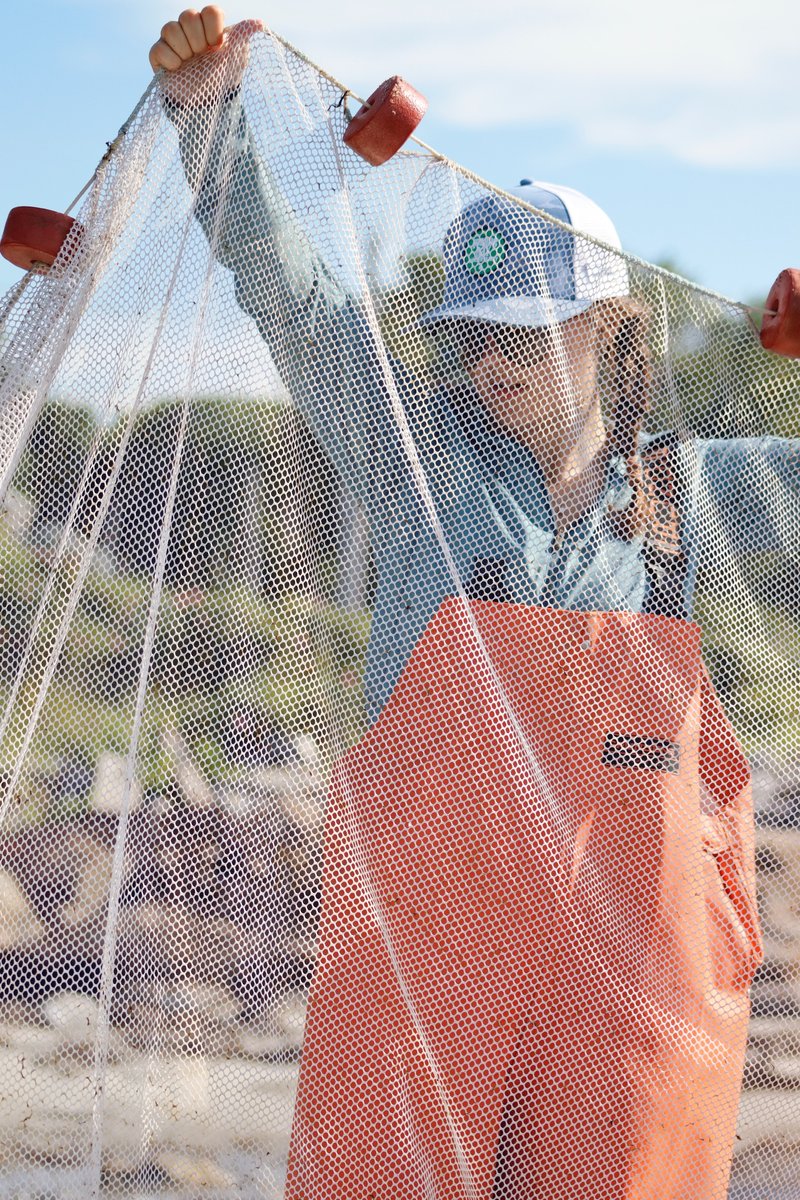
Quahog Bay Conservancy: QBC runs its own competitive summer internship program for undergraduates and recent graduates. QBC interns support the organization's work in fishery ecosystem research as well as community and education programs, gaining experience both at sea and in the lab. This summer, four QBC interns took part in our science communication training, and their work continues to support the expansion of our Casco Bay Aquatic Systems Survey (CBASS).
We asked three of these interns, one from REU, one from Colby, and one from the QBC crew, to share how their summer experiences shaped them.
Ava Natalino
This summer I had the privilege of working with GMRI’s Community Climate Action (CCA) team to create a landscape analysis of existing climate action plans in Maine. In addition to wading through spreadsheets and digging through hundred-page PDFs, I gained hands-on experience conducting both qualitative and quantitative field research.
The CCA team is currently creating a vulnerability assessment for the town of Phippsburg, a small coastal town in midcoast Maine. As part of the data collection, we took measurements of wharf infrastructure that may be vulnerable to sea level rise. I also interviewed two self-proclaimed "town gossips" to explore how they believe climate change is affecting their community.
In this interview, we heard these women’s concerns as they told us about the key assets of their town and what it would mean for them to be flooded by sea level rise and storm surge. For instance, the convenience store in this town is more than just a place to buy a cup of coffee; it also represents a social anchor for an aging population of fishermen. If the road to it floods, the community would be one step more isolated from necessities like food and gas, but also from each other.
Later that day, we encountered a fisherman as we were taking elevation measurements by the wharf. While he didn’t believe that climate change or sea level rise are imminent issues, he told us about how the water now covers a boulder that was always dry in his childhood. I was amazed by the way the CCA team engaged with this man, welcoming him into the conversation with kindness, respect, and a genuine willingness to listen.
This day in Phippsburg reminded me that climate change is more than numbers, data, and cut-and-dry solutions written in a climate action plan–it is flooded roads, residential isolation, and the slow death of an industry that has long been a cultural cornerstone of the state. While news and media may attempt to make climate change a divisive issue, the truth is that it affects all of us, and these changes are becoming noticeable in communities across the world. By working together to plan for a more resilient tomorrow, communities can adapt to a changing climate while protecting the livelihoods, traditions, and connections that make them unique.
As I move forward from GMRI, I will continue trying to have an open mind as I connect with people, listen closely, and invite people into the climate change conversation at whatever level they are willing to participate
Keira Rauda
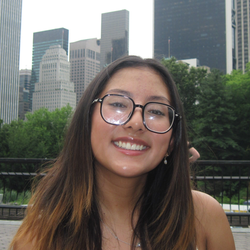
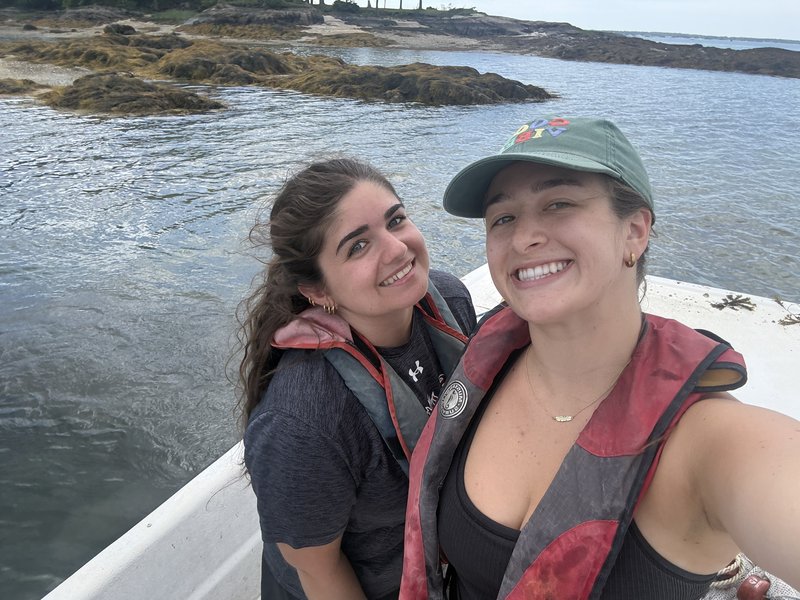
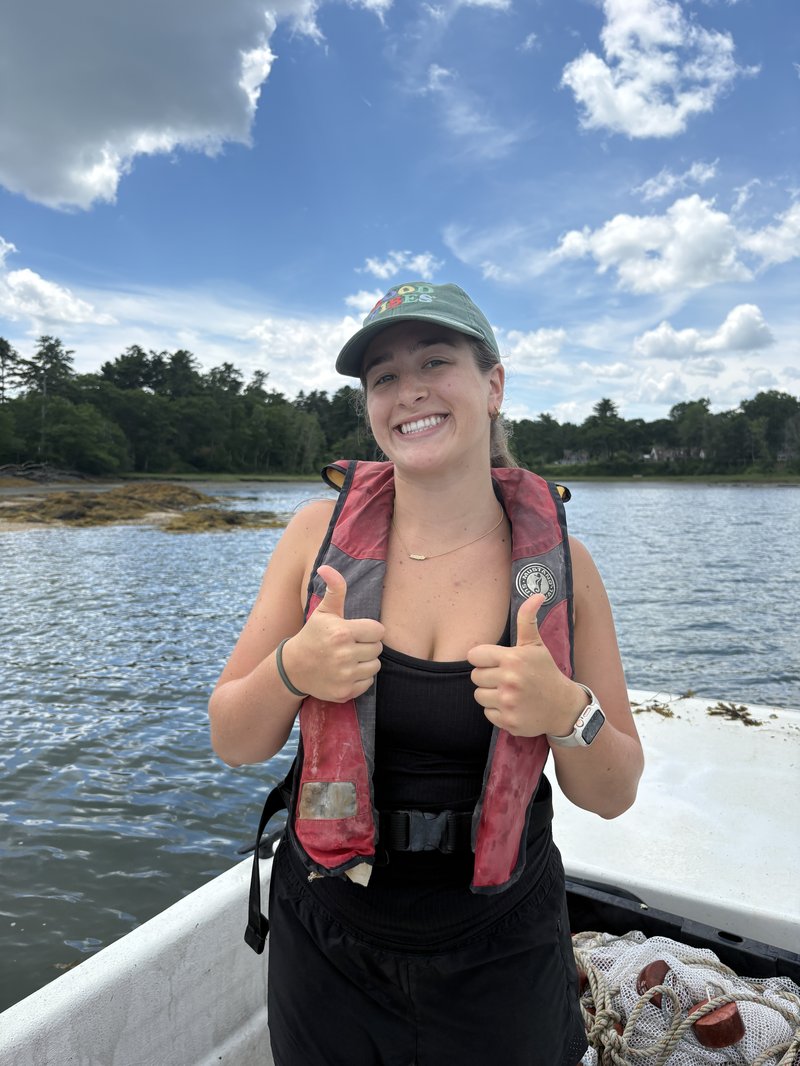
Sacrifices sound scary when you don’t know what the outcome will be, whether the risk will be worth it or not. To me, sacrifice means choosing growth over comfort and hoping the lesson you gain is worth whatever you had to give up. When I accepted my position as a research intern at the Gulf of Maine Research Institute (GMRI), I knew exactly what I was sacrificing, which was another summer away from my family, my friends, and the “great summer” reunions I always look forward to. I wasn’t really sure how things would play out, and I knew I’d be disappointed if the experience didn’t match what I hoped for.
To my luck, it became one of the best experiences I’ve ever had.
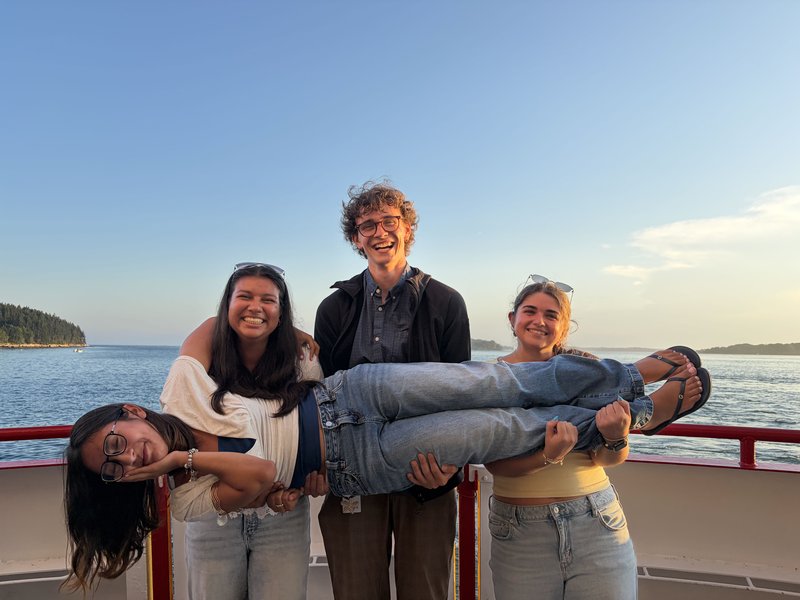
There were moments when I missed home so deeply it hurt, moments when I wished I could be with my family instead of hundreds of miles away. Where I missed New York, music, and culture. But the people at GMRI filled that void in ways I didn’t expect. My colleagues became a kind of temporary family: laughing together, making silly jokes, running around the hallways, talking with scientists, and building a community that made the homesickness easier to carry. And even if those moments hadn’t happened, I still would have gained something priceless, real experience in the field I love, which is research.
That’s when I understood, that life is built on risk, like in jazz, where improvisation and trust carry you forward.
All summer, I watched my colleagues reunite with their families and friends. I yearned for that too. But instead of letting the loneliness break me, it strengthened me. It taught me resilience. It taught me that pursuing the future I want, the future I imagine for myself and for my family, will require sacrifices that not everyone would understand.
Now that the program is over, I realize how deeply this experience shaped me. I know that in future opportunities, I’ll chase the feeling I had at GMRI, the feeling of independence, purpose, and belonging. I fear nothing will ever compare, but I also know that every sacrifice I make is part of becoming the successful woman I want to be. Everything I do, every risk, every moment away from home, is for my family and for the generations that come after us.
And who knew I’d connect the art of jazz with the discipline of science, but this summer taught me that both thrive on risk.
Cora Wegner
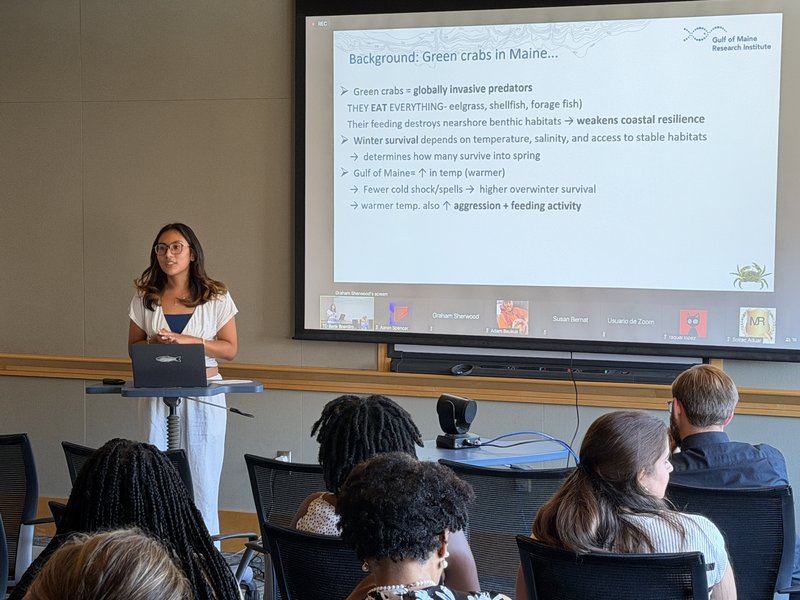
During my internship with Quahog Bay Conservancy, I was exposed to their science communication partnership with the Gulf of Maine Research Institute. This experience helped me notice all the different ways science is communicated, even when it is not immediately obvious. One experience that stands out was when the other interns and I began brainstorming ideas for our science communication projects. From the very beginning, everyone had a different vision. Some people wanted to create an Instagram Reel showing what it is like to conduct a CBASS survey, while others suggested documenting our process for removing invasive green crabs through Instagram stories. There were also ideas for photo essays and educational infographics explaining topics like fecal versus total coliform bacteria. I was surprised by how many different approaches people came up with to communicate scientific information.
This experience taught me that there is no single "right" way to communicate science. Every format reaches a different audience and serves a different purpose. A short video can make fieldwork feel exciting and accessible, while an infographic can simplify complex scientific concepts into something anyone can understand. Effective science communication is about presenting information in a way that is both engaging and understandable.
Moving forward, I want to carry this lesson into my future career. As a scientist, conducting meaningful research is only part of the job. It is equally important to make that research accessible to everyone. Whether I am creating presentations or sharing field experiences online, I hope to continue finding creative ways to connect people with science.
If you are interested in learning more about or participating in Quahog Bay Conservancy's internship program, you can learn more here.
Interested in joining the next REU cohort?
You can take part in our work and contribute to our understanding of climate change and its impacts on our coastal and marine ecosystems, communities, and industries. We pair students with GMRI researchers engaged in a range of climate, ecosystem, fisheries, oceanographic, economic, social science, science-of-learning, cognitive science, and interdisciplinary studies.


