What does climate readiness look like for Maine’s towns?
Perspectives | Mar 12, 2026
Climate readiness looks different in every community, with each facing its own unique risks, priorities, and visions for the future. Through sustained relationships, place-based data, and inclusive engagement, communities can build the capacity to understand risk, explore options, and take action over time.
Driven by local expertise and empowered with trusted tools and resources that inform the community's process, such as NOAA’s Steps to Resilience, here is how that journey might unfold:
Getting Started
Climate resilience begins with people. When communities begin their climate readiness journeys, the first step is to meaningfully engage town committees, municipal staff, and others who are interested in contributing to the process with their unique skillsets. Through that process, communities can build a shared understanding of their perspectives, values, and priorities.
Getting started
Starting a Climate Committee: A Personal Guide
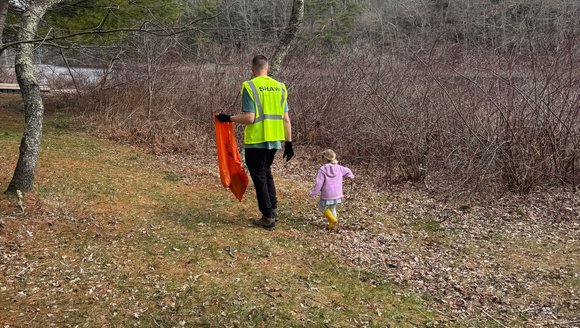
In 2024, while living in Woolwich, Dave Berndtson launched the town’s first climate resilience committee. He’s now a resident of Arrowsic (and a member of …
Perspectives|Mar 12, 2026
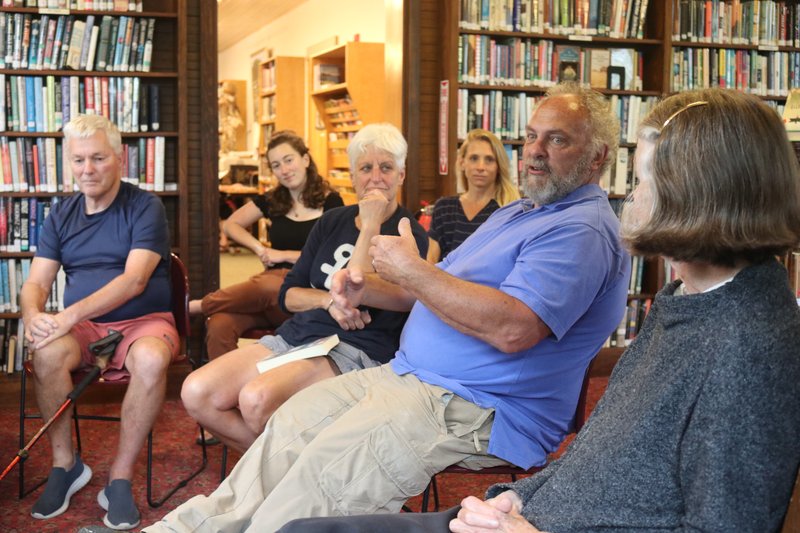

When our Community Climate Action team begins partnering with a town, they help establish a project team that includes existing municipal leaders as well as community advisory members who can offer local insight. They identify key stakeholders, connect with community-based organizations, and work with the project team to ensure a diversity of voices are represented in the process. Youth participation is also an important part of this effort. By inviting intergenerational perspectives, communities can ground their planning not only in current needs, but in the long-term future they hope to shape.
Change over time is a constant, and that change can be hopeful when it is grounded in community values. Our shared history and values are an inspiring and motivating place to begin the process of planning for the future.
Stephanie Sun Program Manager Community Climate Action![This is the staff photo of Stephanie Sun]() Stephanie Sun Program Manager Community Climate Action
Stephanie Sun Program Manager Community Climate Action

Document What’s Important
While the causes of climate change are global in nature, the impacts and vulnerabilities are hyper-local.
On their journey to climate-readiness, communities identify current and future location-specific climate hazards — from flooding and sea level rise to extreme temperatures and precipitation — through a combination of local data collection, high-resolution satellite data, and installed tide gauges. Communities can also review historical impacts through photos, videos, and written accounts from residents, providing context that maps alone cannot offer.
Through community mapping, local residents have the opportunity to discuss and document climate impacts in their community by sharing people, places, and conditions that they feel are valuable for community building, social bonding, and creating a sense of place on a town-specific map. Engaging the larger community in discussions like these can help identify community assets, from outdoor recreation areas to key roads, that are valuable for building a common understanding of what’s important to not just the municipality, but the community. This can then relate to at-risk infrastructure and services that may have not been known otherwise.
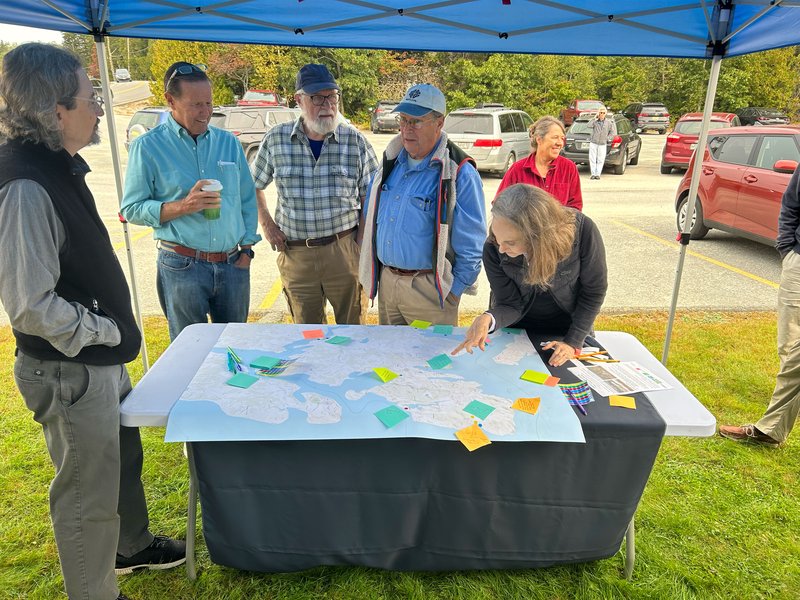
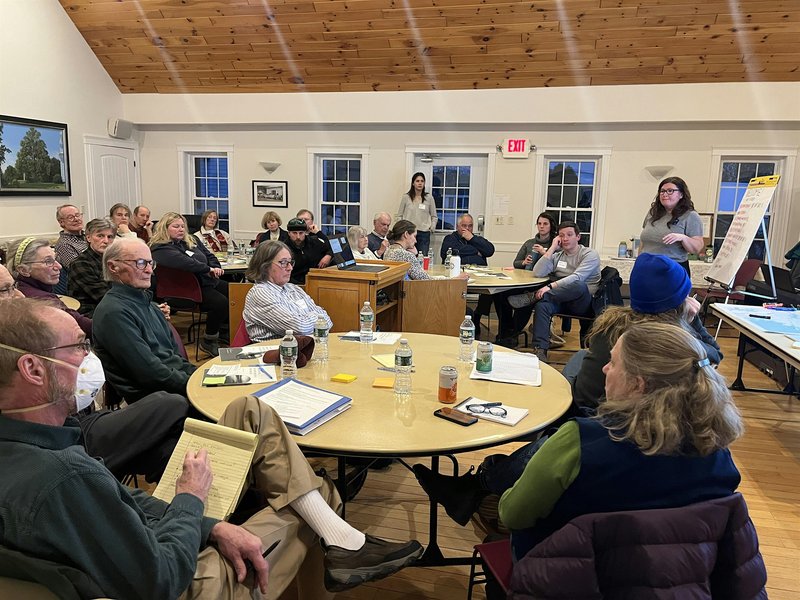
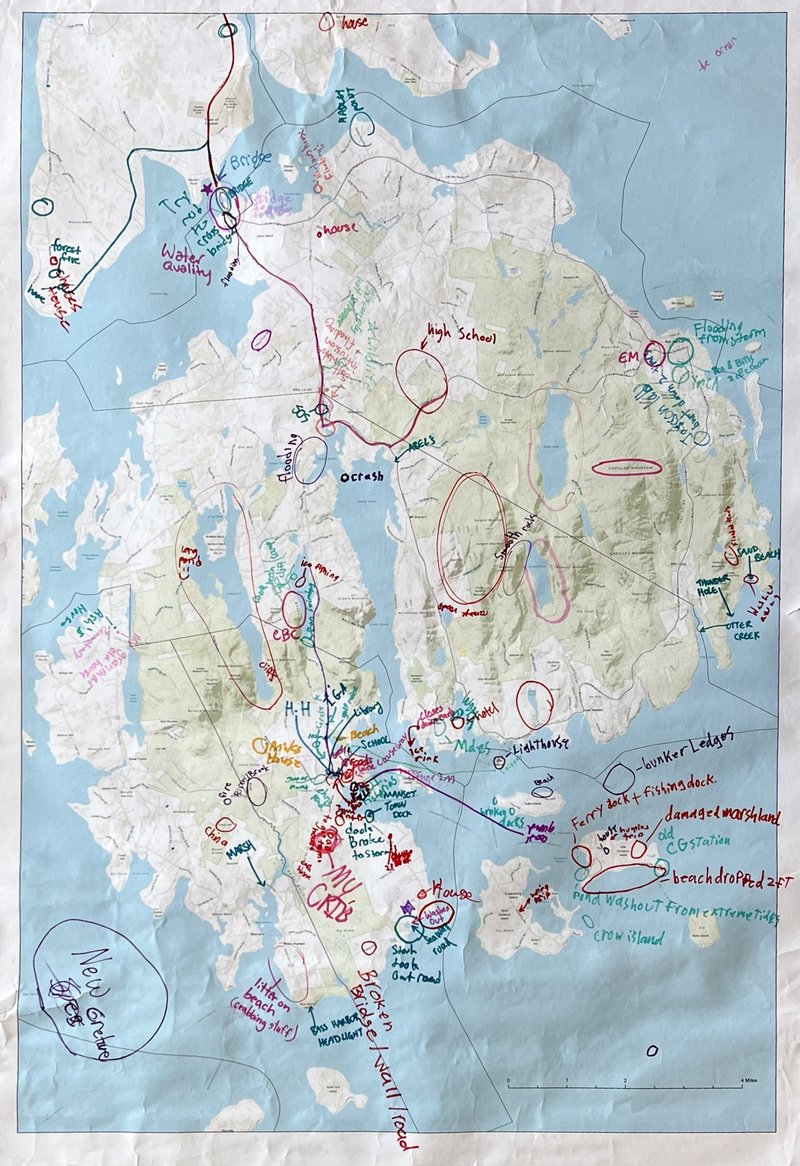
To accompany local knowledge and expertise, existing planning documents are a critical resource. Municipal hazard mitigation plans, local ordinances, and comprehensive plans provide a foundation for understanding past efforts and current priorities. By aligning local knowledge and experiences with these existing processes, communities can identify where resilience actions reinforce broader goals. This alignment helps avoid duplication, builds momentum within familiar frameworks, and reveals opportunities for co-benefits that might otherwise go unnoticed.
Local data is so important for taking action. Many of the decisions that are taking place that either drive vulnerability or address it are happening at the local level — it is important that we can provide data that matches the scale at which decisions are being made.
Sienna Zuco Climate Services Project Manager
Identify What's at Risk
Once there is a clearer sense of local climate hazards, the next step is to dig into what those hazards actually mean for residents’ daily lives and local livelihoods. This is where assessments transform from a technical exercise into a community conversation about consequences.
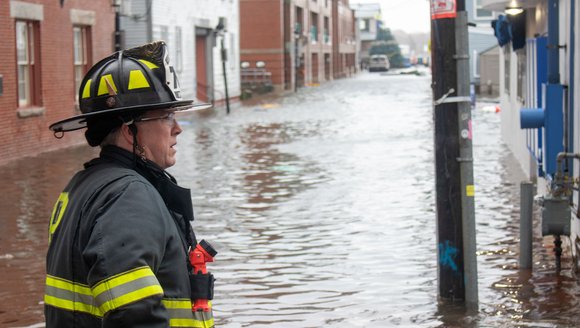
At this stage, towns look closely at individual assets and social demographics and ask: If this were damaged, flooded, or inaccessible, what would happen next? Who depends on it? How are these impacts distributed and felt differently within the community? What could we do to adapt and recover? These questions shift the focus from “what might get wet or damaged” to “what might be lost,” whether that’s a critical wharf, a key access road, or the social networks that hold a community together.
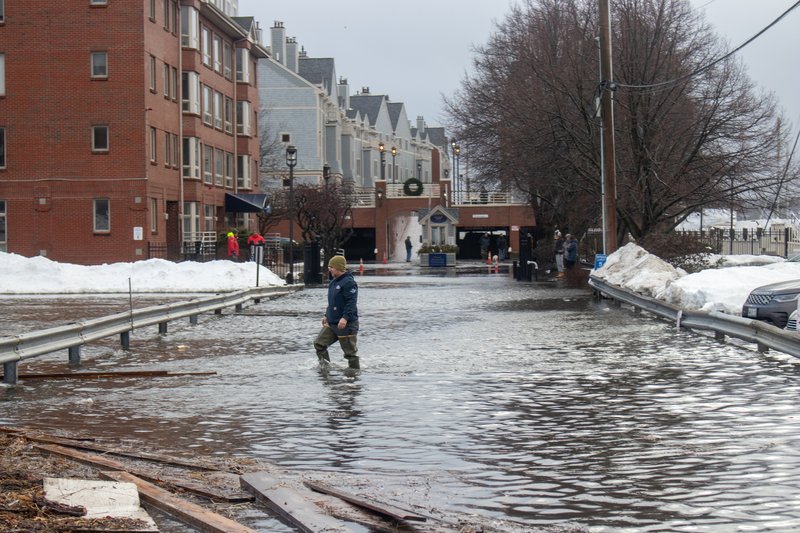
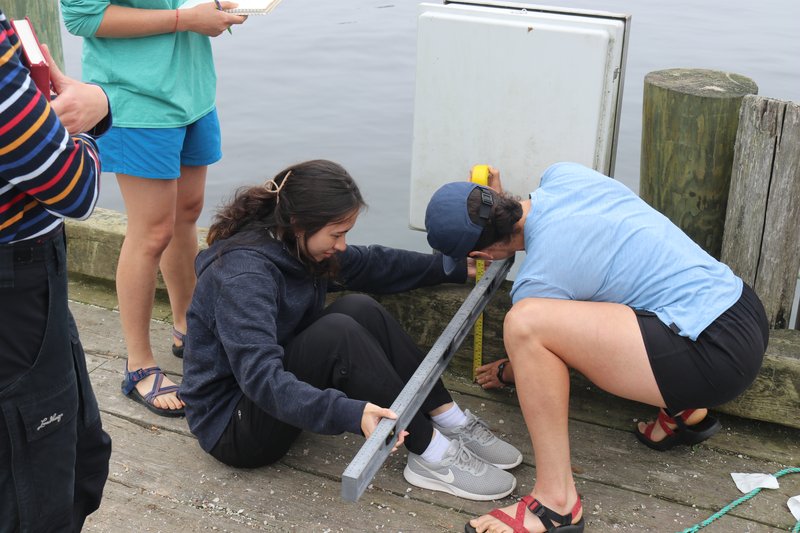

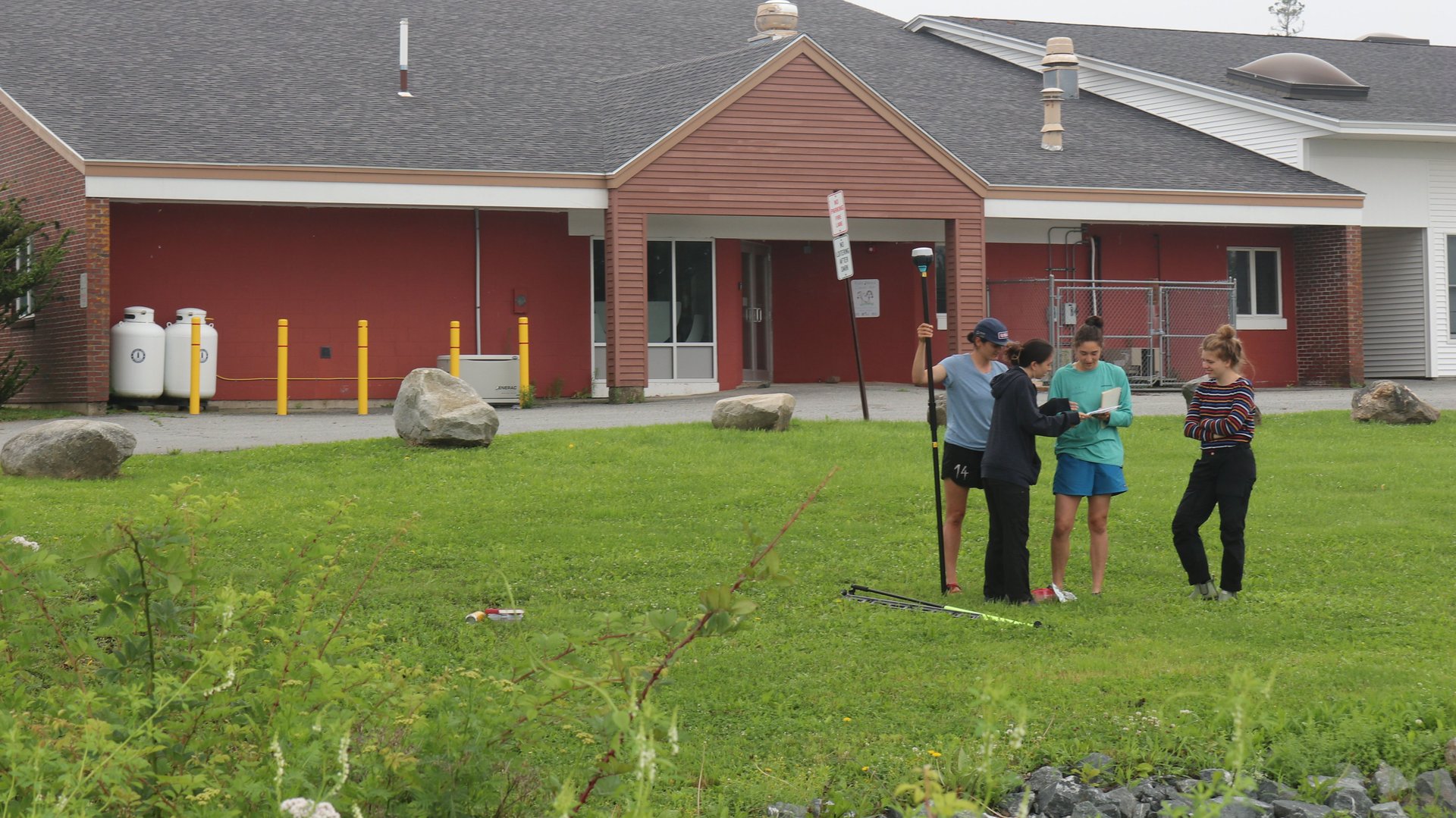
In practice, this process blends scientific rigor with local insight. In Tremont, for example, GMRI staff and community members took elevation measurements that identified clear physical vulnerabilities — buildings at risk of flooding, roads that could be cut off during storm tides, and electrical infrastructure in harm’s way. But the real texture of vulnerability emerged through conversations with fishermen, town officials, and long-time residents who shared how those assets fit into daily life. A road closure didn’t just mean rerouting traffic; it meant a loss of access to emergency services or resources. A flooded wharf isn’t just a structural risk; it can be a threat to a community’s identity and its economic backbone.
These discussions help uncover risks that quantitative data alone can’t reveal. A bridge might meet engineering standards but still pose social risks if it serves as the only connection between working families and essential services and it gets flooded.
By weaving scientific assessment with community experience, towns gain a clearer picture of where they are resilient, where they are fragile, and what is truly at stake. Not just today, but into the future by incorporating climate projection data across ocean warming trends, sea level rise, extreme temperature, increasing precipitation, and more.
This shared understanding becomes the foundation for decision-making in later steps — not simply identifying vulnerabilities, but understanding them in context, through the lens of the demands of everyday life.
“Sustainability is crucial, especially for our community as the livelihood of so many in our small community of fishermen and lobstermen depend on the health and well-being of our ocean and the Gulf of Maine,” said Sarah White, a retiree in Tremont with experience as a National Park Ranger, a Forest Ranger, and as an educator. “They are on the frontlines and so I wish to support them in any way I can.”
Read more
Reaching Resilience: Climate Services for Gulf of Maine Communities
What resilience looks like in Portland might be different than what it looks like in Tremont, but our Climate Center team provides cities and towns …
Perspectives|Apr 11, 2024
Imagine Possibilities
Once risks are understood, the work shifts to imagining possibilities. This is where communities can open up the landscape of options — what actions could reduce hazards, strengthen local systems, and create benefits that ripple beyond climate resilience alone? As leaders explore these potential pathways, they draw on lessons from past events, the best available science, and the values residents identified as most important. Communities then consider strategies big and small, and assess feasibility through the practical realities of local context, capacity, and available funding.
This exploration happens in practical, hands-on ways. For example, in December 2022, students, teachers, and community leaders from North Haven and Vinalhaven took part in a workshop called Planning Forward.
Planning Forward is an active learning experience designed to help communities prepare for the complexities surrounding climate planning. A purpose of the experience is to practice difficult, real-life conversations about climate impacts in a safe and creative space. Per design, it assumes all members of a community can inform decision making and influence change. Conversations around values and identity help guide the experience and empower participants to confront the difficult reality of our changing climate and consider possible futures through new perspectives. The goal of Planning Forward is to model a problem-solving process. In doing so, it helps build and reflect on the knowledge, skills, and relationships needed for our communities to plan for a resilient future.
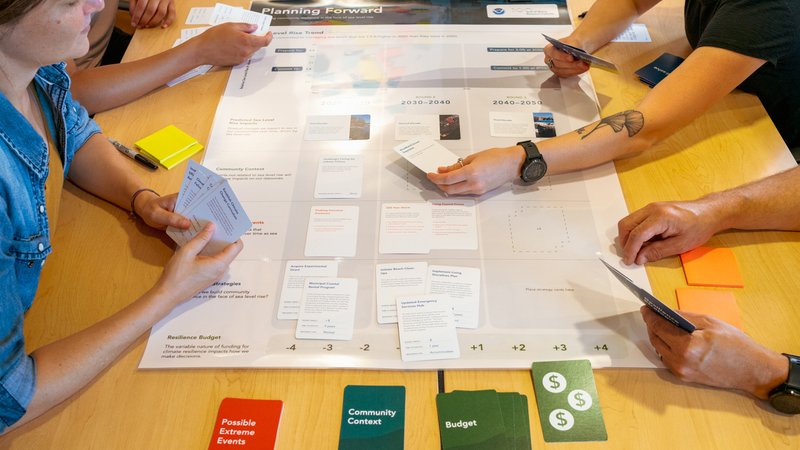
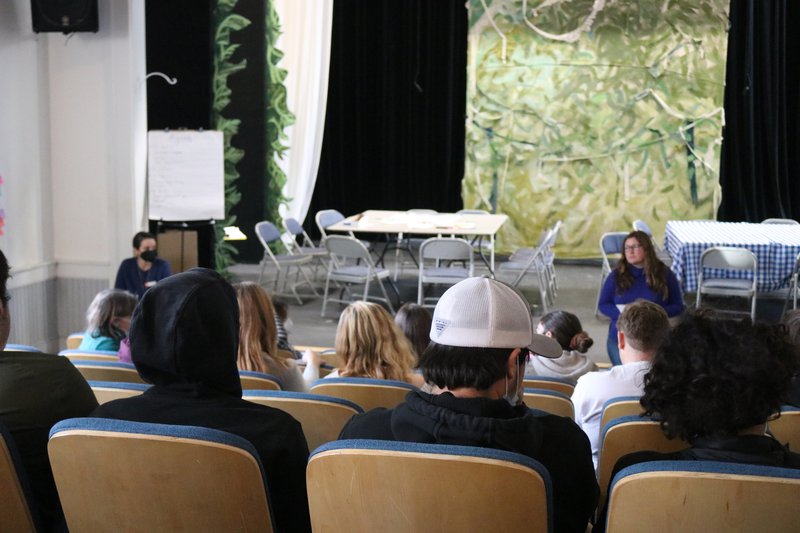
The conversations that learning experiences like Planning Forward can surface a spectrum of ideas. Some may be infrastructure-focused, like reinforcing working waterfront assets or improving stormwater management. Others can center on preparedness and social connection — strengthening emergency plans, improving communication networks, or supporting the volunteers who often serve as first responders during coastal storms. As residents talked through each idea, they considered not only the technical aspects, but the broader ripple effects: Which actions could reduce risk while also supporting the local economy? Which investments would protect vulnerable residents? Which ideas would help preserve the community’s character and way of life?
By exploring benefits, tradeoffs, and feasibility side by side, communities start to see how resilience strategies can advance multiple goals at once. The result is a clearer sense of direction, grounded in local priorities and shared values.
Prioritize and Plan
After exploring a wide range of strategies, the focus shifts to deciding what to do first, based on community values, priorities, available resources, realistic impact, and equity. This is where planning becomes tangible — where broad visions start to take the shape of specific projects, responsibilities, and timelines.
Climate action plans identify mitigation and adaptation strategies for reducing associated climate risks and vulnerabilities, as identified through the climate vulnerability assessments, and develop a sequence for implementing priority actions. This may include policies and programs for adapting to the impacts of climate change, introducing public education campaigns, or identifying first steps to addressing greenhouse gas emissions. Plans can align near-, mid-, and long-term community climate impact and vulnerability data alongside demographic trends and community input to develop a draft scope and sequence for climate actions that address both mitigation and adaptation strategies to reduce green-house gas emission and reliance as well as increase community climate resilience.
GMRI staff work alongside municipal leaders, community volunteers, and local partners to guide conversations about costs, benefits, and tradeoffs. Some actions may be inexpensive but deliver immediate relief. Others may require major investments but offer long-term protection. Communities also weigh practical questions: Do we have the staff to take this on? Are permits required? What partnerships could make this easier? By working through these considerations together, residents and local leaders develop a clearer sense of what’s feasible now, what needs more preparation, and what should be sequenced for later. In many communities, partners help carry this work forward — sustaining local momentum and ensuring that climate action plans remain active beyond any single project or funding cycle.
Take Action
The final step is where planning becomes reality and where strategies turn into tangible results. Taking action can feel really big, or really small, it can be very obvious, and also seem invisible, it can happen at a community scale, or right at home.
We support communities at this stage in partnership with municipal leaders, regional organizations, and local stakeholders — identifying funding opportunities, securing resources, and implementing resilience actions while residents, business owners, fishermen, and municipal staff remain actively engaged. Strong partnerships are essential to sustaining implementation and adapting plans as conditions evolve.
Celebrating and sharing successes is an important part of this work. Highlighting progress helps communities recognize the impact of their efforts, build momentum for future projects, and offer practical examples that other towns can learn from.
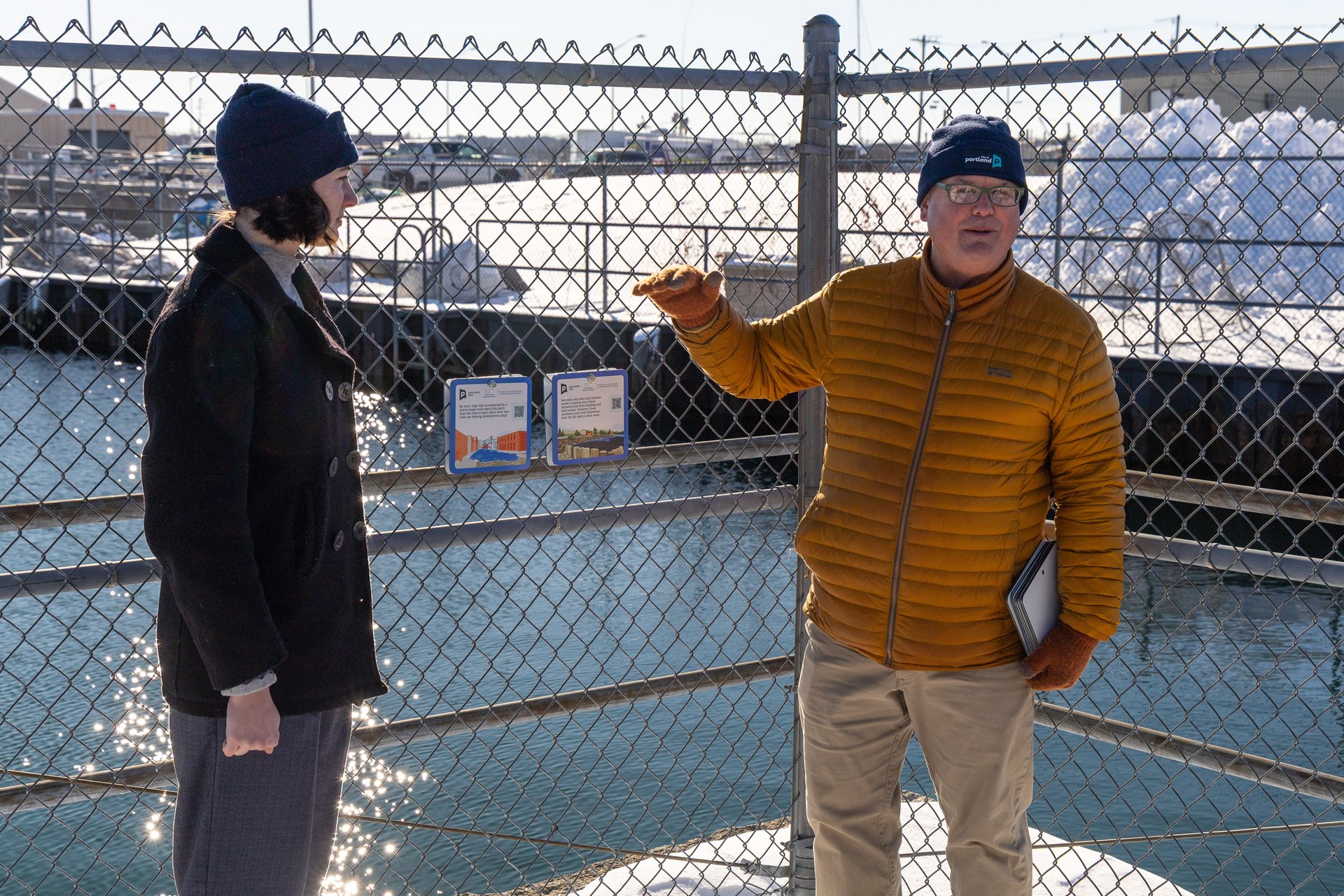
In Portland, resilience is also becoming more visible across the city through public education. The City launched a public education campaign by installing a series of resilience education signs that highlight climate-ready infrastructure, explaining how these investments help Portland prepare for sea level rise, flooding, and other climate impacts. These signs invite residents and visitors to see resilience in action — from waterfront infrastructure to stormwater systems — and to understand how local projects connect to broader climate readiness goals. Through Portland’s Resilient Education Project story map, community members can explore these sites and learn how planning translates into on-the-ground action across the city.
Importantly, taking action is never static. Successful projects are built with iteration in mind, as resilience never really has an end-point. As new information emerges, conditions shift, or community priorities evolve, solutions are revisited and adjusted. What began as a plan on paper becomes a living framework, shaped continuously by the knowledge, experience, habit of mind, and feedback of the community. It’s this iterative, collaborative approach that ensures resilience actions remain relevant, effective, and deeply rooted in local context.
Process Matters
Building climate-ready communities in Maine is complex and requires more than a set of recommendations. We focus on:
- Partnerships: Co-creating strategies with communities rather than imposing a fixed plan.
- Relationships: Forging new relationships and strengthening existing partnerships with trusted local organizations, municipal committees, and community members.
- Data + local knowledge: Combining scientific measurements with local knowledge to reflect how people live and what they care about.
- Capacity building: Delivering learning experiences that build knowledge, skills, and foster relationships to support climate planning and action.
- Sustainable funding: Helping communities fund climate actions to make resilience more feasible.
- Long-term engagement: Remaining connected to communities as priorities evolve and new challenges emerge.
By approaching resilience as a journey rather than a checklist, Maine’s coastal communities are actively shaping a climate-ready future. We’re proud to support that journey alongside them.