Supporting Energy Solutions
Creating a lower-carbon economy and improving the resilience of electrical infrastructure.
Energy solutions in the Gulf of Maine — including marine renewables, grid resilience, efficiency improvements, and coastal electrification — offer environmental, economic, and societal benefits to the region. We'll ensure these solutions are based in the best-available science and inclusive community engagement.
By 2030, we aim to achieve:
-
30 communities within ISO-New England domain and 100% of GMRI municipal partners obtain access to key relationships and resources needed to increase electrical grid resilience.
-
At least 75% of impacted fishing communities are supported to provide input on marine renewable energy projects.
-
75% of affected communities in the Gulf of Maine region have resources needed to engage effectively in community benefit agreements and climate-related project financing opportunities.
Supporting Energy Solutions Work
Through this initiative we're conducting collaborative research to establish a foundational understanding of the physical, ecological, and economic impacts of marine energy projects. We're also cultivating community-driven solutions by hosting convenings, developing resources, and delivering educational programs to help shape a resilient and sustainable energy future. Explore our progress so far.
-
![Forage Fish and the Ocean Carbon Cycle]()
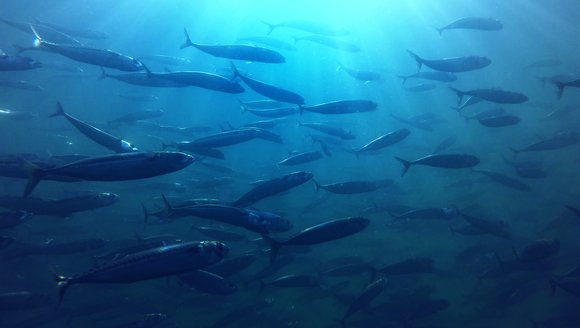
Forage Fish and the Ocean Carbon Cycle
We working to better understand the role of fish populations in regulating carbon and nutrient cycles at local and global scales.
-
![Exploring Fishing Operations in Simulated Virtual Floating Offshore Wind Environments]()
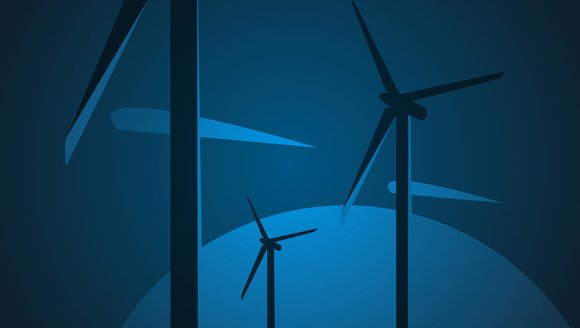
Exploring Fishing Operations in Simulated Virtual Floating Offshore Wind Environments
By leveraging a state-of-the-art maritime simulator with fishermen to test fishing gear around virtual floating offshore wind arrays, this work expands our efforts in advancing …
-
![Zooplankton and the Biological Carbon Pump]()
Zooplankton and the Biological Carbon Pump
We aim to quantify the importance of diapausing copepods to the global biological carbon pump, and its consequences for the Earth’s climate.

Read More
-
New Nets Show Progress
For years, Research Scientist Dr. Steve Eayrs has worked to design and build fishing gear that helps fishermen and benefits the environment.
Perspectives
-
Collaborative Solutions: Port Visits Support Engagement in Offshore Wind
Offshore wind development in the Gulf of Maine is a complex and rapidly-changing issue. Explore our early impact on the ongoing process, providing independent, science-based …
Perspectives
-
Intern Reflections 2026: A Summer of Learning
With another summer intern season in the books, we asked a few interns, including one from Quahog Bay Conservancy that participates in our science communication …
Perspectives
-
Signs of Hope in a Warming Gulf of Maine
The Gulf of Maine is warming faster than most of the world's oceans. This shapes much of what we hear about the region's marine life: …
Perspectives