Coastal Erosion and Indigenous Resilience
Community-led solutions to coastal erosion and intertidal access challenges.
Rising seas and eroding shorelines pose a growing threat to Indigenous lands and lifeways. This work supports tribal efforts to document and respond to coastal erosion, safeguard intertidal access, and integrate traditional knowledge into shoreline adaptation and planning.
Project Goals:
- Understand how erosion is affecting tribal lands and intertidal zones.
- Support community-led planning and resilience strategies.
- Build storytelling and science communication tools around coastal change.
- Integrate Indigenous knowledge into regional adaptation frameworks.
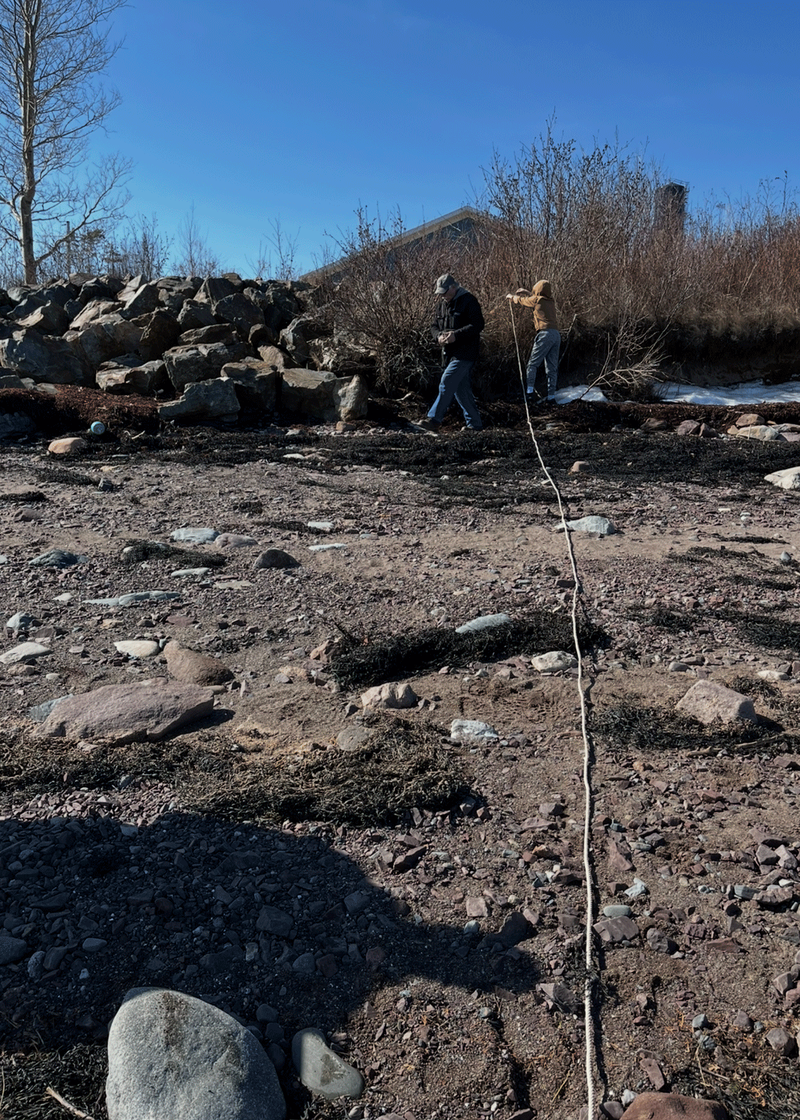
As coastal erosion reshapes shorelines across the region, tribal communities are grappling with its implications for land use, shellfish harvesting, cultural access, and sovereignty. Through this project, we are supporting tribal partners as they monitor and respond to these changes.
Working closely with Indigenous communities, we are helping document the lived impacts of erosion and collaborating on strategies that reflect Indigenous priorities and perspectives. While the science of shoreline change is important, so too is the cultural knowledge of the land. This work helps ensure that both are honored in planning for the future.
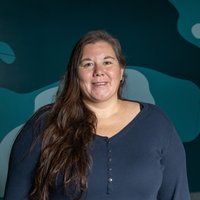
Project Team:
-
GMRI Scientist Helps Set the Research Agenda for Future U.S. Climate Assessments
Our Chief Scientific Officer, Dr. Janet Duffy-Anderson, co-authored a new commentary identifying the research priorities that will shape the next generation of U.S. climate assessments, …
Announcements
-
2025 – 26 Education Impact Report: 10 Years of Learning Ecosystems Northeast
Read on to see some of the ways our education team made an impact across the state and beyond in the 2025 – 2026 school …
Perspectives
-
10 Years of Learning Ecosystems Northeast: Sherri Calhoun's Journey
Learning Ecosystems Northeast is celebrating its 10-year anniversary this year. We asked one longtime LENE participant how the program has shaped her career.
Perspectives
-
Intern Reflections 2026: A Summer of Learning
With another summer intern season in the books, we asked a few interns, including one from Quahog Bay Conservancy that participates in our science communication …
Perspectives